Home Blog Page 17

The Specter Bridegroom part 9

0

“I am sorry,” said the stranger, “to break in upon you thus unseasonably”

Here the Baron interrupted him with a world of compliments and greetings; for, to tell the truth, he prided himself upon his courtesy and his eloquence. The stranger attempted, once or twice, to stem the torrent of words, but in vain; so he bowed his head and suffered it to flow on. By the time the Baron had come to a pause they had reached the inner court of the castle; and the stranger was again about to speak, when he was once more interrupted by the appearance of the female part of the family, leading forth the shrinking and blushing bride.

He gazed on her for a moment as one entranced; it seemed as if his whole soul beamed forth in the gaze, and rested upon that lovely form. One of the maiden aunts whispered something in her ear; she made an effort to speak; her. Moist blue eye was timidly raised, gave a shy glance of inquiry on the stranger, and was cast again to the ground. The words died away; but there was a sweet smile playing about her lips, and a soft dimpling of the cheek, that showed her glance had not lutein unsatisfactory. It was impossible for a girl of the fond age of eighteen, highly predisposed for love and matrimony, not to be pleased with so gallant a cavalier.

Time for parley

The late hour at which the guest had arrived left no time for parley.
I lie Baron was peremptory, and deferred all particular conversation until the morning, and led the way to the untasted banquet.

It was served up in the great hall of the castle. Around the walls lung the hard-favored portraits of the heroes of the house of Katzenrllcnbogen, and the trophies which they had gained in the field and in (lie chase. Hacked corselets, splintered jousting spears, and tattered liners were mingled with the spoils of sylvan warfare: the jaws of the wool, I and the tusks of the boar grinned horribly among crossbows, and a huge pair of antlers branched immediately over the In .iiI of the youthful bridegroom.

I have cavalier took but little notice of the company or the entertain- iiu iil. He scarcely tasted the banquet, but seemed absorbed in admiration of his bride. He conversed in a low tone, that could not be overheard for the language of love is never loud; but where is the female ‘a i HO dull that it cannot catch the softest whisper of the lover?

There is a mingled tenderness and gravity in his manner that appeared to have a powerful effect upon the young lady. Her color came and went, as she listened with deep attention. Now and then she made Home blushing reply, and when ftis eye was turned away she would Hlnil a sidelong glance at his romantic countenance, and heave a gentle nigh of tender happiness. It was evident that the young couple were completely enamored. The aunts, who were deeply versed in the mysteries of the heart, declared that they had fallen in love with each oilier at first sight.

Read More about Miss Tempy` Watchers part 3
The Specter Bridegroom part 8

0

The cavalier took but little notice of the company or the entertainment. He scarcely tasted the banquet, but seemed absorbed in admira- lion of his bride. He conversed in a low tone, that could not be overheard—for the language of love is never loud; but where is the female ear so dull that it cannot catch the softest whisper of the lover? There was a mingled tenderness and gravity in his manner that appeared (o have a powerful effect upon the young lady.

Her color came and went, as she listened with deep attention. Now and then she made some blushing reply, and when his eye was turned away she would steal a sidelong glance at his romantic countenance, and heave a gentle sigh of tender happiness. It was evident that the young couple were completely enamored. The aunts, who were deeply versed in the mysteries of the heart, declared that they had fallen in love with each other at first sight.

The feast went on merrily, or at least noisily, for the guests were all blessed with those keen appetites that attend upon light purses and mountain air. The Baron told his best and longest stories, and never had he told them so well, or with such great effect. If there was anything marvelous, his auditors were lost in astonishment; and if anything facetious, they were sure to laugh exactly in the right place.

Speeches whispered in ladies

The Baron, it is true, like most great men, was too dignified to utter any joke but a dull one: it was always enforced, however, by a bumper of excellent Hoch-heimer; and even a dull joke, at one` own table, served up with jolly old wine, is irresistible. Many good things were said by poorer and keener wits that would not bear repeating, except on similar occasions; many sly speeches whispered in ladie` ears that almost convulsed them with suppressed laughter; and a song or two roared out by a poor, but merry and broadfaced cousin of the Baron, that absolutely made the maiden aunts hold up their fans.

Amid all this revelry, the stranger-guest maintained a most singular illustrious relatives; and the mourning retinue of the Count took charge of his remains.

It is now high time that we should return to the ancient family of Katzenellenbogen, who were impatient for their guest, and still more for their dinner; and to the worthy little Baron, whom we left airing himself on the watch-tower.

Night closed in, but still no guest arrived. The Baron descended from the tower in despair. The banquet, which had been delayed from hour to hour, could no longer be postponed. The meats were already overdone, the cook in an agony, and the whole household had the look of a garrison that had been reduced by famine. The Baron was obliged reluctantly to give orders for the feast without the presence of the guest.

All were seated at table, and just on the point of commencing, when the sound of a horn from without the gate gave notice of the approach of a stranger. Another long blast filled the old courts of the castle with its echoes, and was answered by the warder from the walls. The Baron hastened to receive his future son-in-law.

The drawbridge had been let down, and the stranger was before the gate. He was a tall gallant cavalier, mounted on a black steed. His countenance was pale, but he had a beaming, romantic eye, and an air of stately melancholy. The Baron was a little mortified that he should have come in this simple, solitary style. His dignity for a moment was ruffled, and he felt disposed to consider it a want of proper respect for the important occasion, and the important family with which he was to be connected. He pacified himself, however, with the conclusion that it must have been youthful impatience which had induced him thus to spur on sooner than his attendants.

Read More about The First Crusade part 21

The Specter Bridegroom part 7

0

The drawbridge had been let down, and the stranger was before the gate. He was a tall gallant cavalier, mounted on a black steed. His countenance was pale, but he had a beaming, romantic eye, and an air of stately melancholy. The Baron was a little mortified that he should have come in this simple, solitary style. His dignity for a moment was ruffled, and he felt disposed to consider it a want of proper respect for the important occasion, and the important family with which he was to be connected. He pacified himself, however, with the conclusion that it must have been youthful impatience which had induced him thus to spur on sooner than his attendants.

“I am sorry,” said the stranger, “to break in upon you thus unseasonably”

Stranger attempted

Here the Baron interrupted him with a world of compliments and greetings; for, to tell the truth, he prided himself upon his courtesy and his eloquence. The stranger attempted, once or twice, to stem the torrent of words, but in vain; so he bowed his head and suffered it to flow on. By the time the Baron had come to a pause they had reached the inner court of the castle; and the stranger was again about to speak, when he was once more interrupted by the appearance of the female part of the family, leading forth the shrinking and blushing bride. He gazed on her for a moment as one entranced; it seemed as if his whole soul beamed forth in the gaze, and rested upon that lovely form.

One of the maiden aunts whispered something in her ear; she made an effort to speak; her moist blue eye was timidly raised, gave a shy glance of inquiry on the stranger, and was cast again to the ground. The words died away; but there was a sweet smile playing about her lips, and a soft dimpling of the cheek, that showed her glance had not unsatisfactory. It was impossible for a girl of the fond age of eighteen, highly predisposed for love and matrimony, not to be pleased with so gallant a cavalier.

The late hour at which the guest had arrived left no time for parley. The Baron was peremptory, and deferred all particular conversation in the morning, and led the way to the untasted banquet.

I was served up in the great hall of the castle. Around the walls hung the hard-favored portraits of the heroes of the house of Katzen- Hlcabogen, and the trophies which they had gained in the field and in the chase. Hacked corselets, splintered jousting spears, and tattered I >.i nners were mingled with the spoils of sylvan warfare: the jaws of the wolf and the tusks of the boar grinned horribly among crossbows and little-axes, and a huge pair of antlers branched immediately over the head of the youthful bridegroom.

Read More about The Specter Bridegroom part 10

The Specter Bridegroom part 6

0

With his dying breath he entreated his friend to repair instantly to the castle of Landshort, and explain the fatal cause of his not keeping his appointment with his bride. Though not the most ardent of lovers, lie was one of the most punctilious of men, and appeared earnestly solicitous that this mission should be speedily and courteously executed. “Unless this is done,” said he, “I shall not sleep quietly in my grave!” He repeated these last words with peculiar solemnity.

A request, at a moment so impressive, admitted no hesitation. Starkenfaust endeavored to soothe him to calmness; promised faithfully to execute his wish, and gave him his hand in solemn pledge. The dying man pressed it in acknowledgment, but soon lapsed into delirium—raved about his bride—his engagements—his plighted word; ordered his horse, that he might ride to the castle of Landshort, and expired in the fancied act of vaulting into the saddle, Starkenfaust bestowed a sigh and a soldier` tear on the untimely fate of his comrade; and then pondered on the awkward mission he had undertaken.

Whisperings of curiosity

His heart was heavy, and his head perplexed; for he was to present himself an unbidden guest among hostile people, and to damp their festivity with tidings fatal to their hopes. Still there were certain whisperings of curiosity in his bosom to see this far-famed beauty of Katzenellenbogen so cautiously shut up from the world; for he was a passionate admirer of the sex, and there was a dash of eccentricity and enterprise in his character that made him fond of all singular adventure.

Previous to his departure, he made all due arrangements with the holy fraternity of the convent for the funeral solemnities of his friend, who was to be buried in the cathedral of Wurtzburg, near some of his
illustrious relatives; and the mourning retinue of the Count took charge of his remains.

It is now high time that we should return to the ancient family of Katzenellenbogen, who were impatient for their guest, and still more for their dinner; and to the worthy little Baron, whom we left airing himself on the watch-tower.

Night closed in, but still no guest arrived. The Baron descended from the tower in despair. The banquet, which had been delayed from hour to hour, could no longer be postponed. The meats were already overdone, the cook in an agony, and the whole household had the look of a garrison that had been reduced by famine.

The Baron was obliged reluctantly to give orders for the feast without the presence of the guest. All were seated at table, and just on the point of commencing, when the sound of a horn from without the gate gave notice of the approach of a stranger. Another long blast filled the old courts of the castle with its echoes, and was answered by the warder from the walls. The Baron hastened to receive his future son-in-law.

Read More about Harput

The Specter Bridegroom part 5

0

While the old castle of Landshort was in this state of perplexity, a very interesting scene was transacting in a different part of the Oden- wald.
The young Count Von Altenburg was tranquilly pursuing his route in that sober jog-trot way in which a man travels toward matrimony when his friends have taken all the trouble and uncertainty of courtship off his hands, and a bride is waiting for him, as certainly as a dinner at the end of his journey.

He had encountered at Wurtzburg a youthful companion in arms, with whom he had seen some service on the frontiers: Herman Von Starkenfaust, one of the stoutest hands and worthiest hearts of German chivalry, who was now returning from the army. His father` castle was not far distant from the old fortress of Landshort, although a hereditary feud rendered the families hostile and strangers to each other.

Intended nuptials

In the warm-hearted moment of recognition, the young friends related all their past adventures and fortunes, and the Count gave the whole history of his intended nuptials with a young lady whom he had never seen, but of whose charms he had received the most enrapturing descriptions.

As the route of the friends lay in the same direction, they agreed to perform the rest of their journey together; and, that they might do it more leisurely, set off from Wurtzburg at an early hour, the Count having given directions for his retinue to follow and overtake him.

They beguiled their wayfaring with recollections of their military scenes and adventures; but the Count was apt to be a little tedious, now und then, about the reputed charms of his bride, and the felicity that awaited him.

In this way they had entered among the mountains of the Odenwald, and were traversing one of its most lonely and thickly wooded passes. It is well known that the forests of Germany have always been as much infested with robbers as its castles by specters; and, at this time, the former were particularly numerous, from the hordes of disbanded soldiers wandering about the country.

It will not appear extraordinary, therefore, that the cavaliers were attacked by a gang of these stragglers in the midst of the forest. They defended themselves with bravery, but were nearly overpowered when the Count` retinue arrived to their assistance. At sight of them the robbers fled, but not until the Count had received a mortal wound. He was slowly and carefully conveyed back to the city of Wurtzburg, and a friar summoned from a neighboring convent, who was famous for his skill in administering to both soul and body. But half of his skill was superfluous; the moments of the unfortunate Count were numbered.

Read More about Tour Packages Bulgaria

The Specter Bridegroom part 4

0

At the time of which my story treats there was a great family gathering at the castle, on an affair of the utmost importance: it was to receive the destined bridegroom of the Baron` daughter. A negotiation had been carried on between the father and an old nobleman of liavaria, to unite the dignity of their houses by the marriage of their children.

The preliminaries had been conducted with proper punctilio. The young people were betrothed without seeing each other, and the time was appointed for the marriage ceremony. The young Count Von Altenburg had been recalled from the army for the purpose, and was actually on his way to the Baron` to receive his bride. Missives had even been received from him, from Wurtzburg, where he was accidentally detained, mentioning the day and hour when he might be expected to arrive.

The castle was in a tumult of preparation to give him a suitable welcome. The fair bride had been decked out with uncommon care. The two aunts had superintended her toilet, and quarreled the whole morning about every article of her dress. The young lady had taken advantage of their contest to follow the bent of her own taste; and fortunately it was a good one. She looked as lovely as youthful bridegroom could desire; and the flutter of expectation heightened the luster of her charms.

Take great interest

The suffusions that mantled her face and neck, the gentle heaving of the bosom, the eye now and then lost in reverie, all betrayed the soft tumult that was going on in her little heart. The aunts were continually hovering around her; for maiden aunts are apt to take great interest in affairs Qf this nature: they were giving her a world of staid counsel, how to deport herself, what to say, and in what manner to receive the expected lover.
The Baron was no less busied in preparations.

He had, in truth, nothing exactly to do; but he was naturally a fuming, bustling little man, and could not remain passive when all the world was in a hurry. He worried from top to bottom of the castle, with an air of infinite anxiety; he continually called the servants from their work to exhort them to be diligent, and buzzed about every hall and chamber, as idle, restless, and importunate as a bluebottle fly on a warm summer` day.

In the meantime, the fatted calf had been killed; the forests had rung with the clamor of the huntsmen; the kitchen was crowded with good cheer; the cellars had yielded up whole oceans of Rhein-wein and Ferne-wein, and even the great Heidelberg Tun had been laid under contribution.

Everything was ready to receive the distinguished guest with Saus und Braus in the true spirit of German hospitality—but the guest delayed to make his appearance. Hour rolled after hour. The sun that had poured his downward rays upon the rich forests of the Oden- wald, now just gleamed along the summits of the mountains. The Baron mounted the highest tower, a fid strained his eyes in hopes of catching a distant sight of the Count and his attendants.

Once he thought he beheld them; the sound of horns came floating from the valley, prolonged by the mountain echoes: a number of horsemen were seen far below, slowly advancing along the road; but when they had nearly reached the foot of the mountain they suddenly struck off in a different direction. The last ray of sunshine departed—the bats began to flit by in the twilight—the road grew dimmer and dimmer to the view; and nothing appeared stirring in it but now and then a peasant lagging homeward from his labor.

Read More about Tour Packages Balkan

The Specter Bridegroom part 3

0

She could read without great difficulty, and had spelled her way through several church legends, and almost all the chivalric wonders of the Heldenbuch. She had even made considerable proficiency in writing, could sign her own name without missing a letter, and so legibly that her aunts could read it without spectacles. She excelled in making little good-for-nothing ladylike knick-knacks of all kinds; was versed in the most abstruse dancing of the day; played a number of airs on the harp and guitar; and knew all the tender ballads of the Minne-lieders by heart.

Her aunts, too, having been great flirts and coquettes in their younger days, were admirably calculated to be vigilant guardians and strict censors of the conduct of their niece; for there is no duenna so rigidly prudent, and inexorably decorous, as a superannuated coquette. She was rarely suffered out of their sight; never went beyond the domains of the castle, unless well attended, or, rather, well watched; had continual lectures read to her about strict decorum and implicit obedience; and, as to the men—pah! she was taught to hold them at such distance and distrust that, unless properly authorized, she would not have cast a glance upon the handsomest cavalier in the world—no, not if he were even dying at her feet.

Coyly blooming

The good effects of this system were wonderfully apparent. The young lady was a pattern of docility and correctness. While others were wasting their sweetness in the glare of the world, and liable to be plucked and thrown aside by every hand, she was coyly blooming-into fresh and lovely womanhood under the protection of those immaculate spinsters, like a rosebud blushing forth among guardian thorns. Her aunts looked upon, her with pride and exultation, and vaunted that though all the other young ladies in the world might go astray, yet, thank Heaven, nothing of the kind could happen to the heiress of Katzenellenbogen.

But however scantily the Baron Von Landshort might be provided with children, his household was by no means a small one, for Providence had enriched him with abundance of poor relations. They, one and all, possessed the affectionate disposition common to humble relatives ; were wonderfully attached to the Baron, and took every possible occasion to come in swarms and enliven the castle.

All family festivals were commemorated by these good people at the Baron` expense; and when they were filled with good cheer, they would declare that there was nothing on earth so delightful as these family meetings, these jubilees of the heart.

The Baron, though a small man, had a large soul, and it swelled with satisfaction at the consciousness of being the greatest man in the little world about him. He loved .to tell long stories about the stark old warriors whose portraits looked grimly down from the walls around, and he found no listeners equal to those who fed at his expense.

He was much given to the marvelous, and a firm believer in all those supernatural tales with which every mountain and valley in Germany abounds. The faith of his guests even exceeded his own, they listened to every tale of wonder with open eyes and mouth, and never failed to be astonished, even though repeated for the hundredth time. Thus lived the Baron Von Landshort, the oracle of his table, the absolute monarch of his little territory, and happy, above all things, in the persuasion that he was the wisest man of the age.

Read More about The First Crusade part 27

The Specter Bridegroom part 2

0

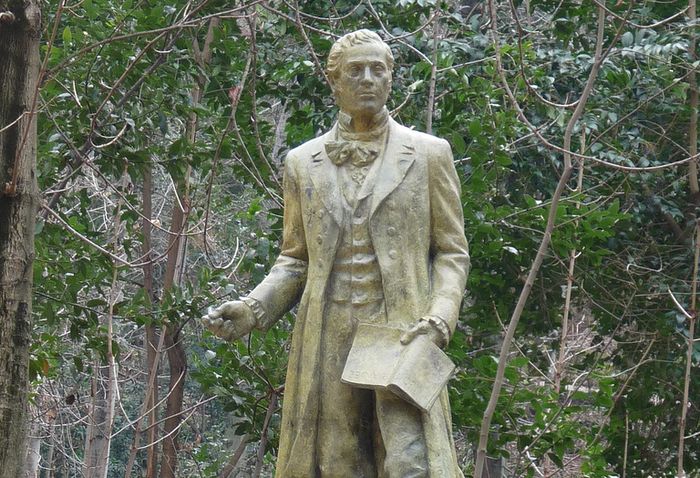
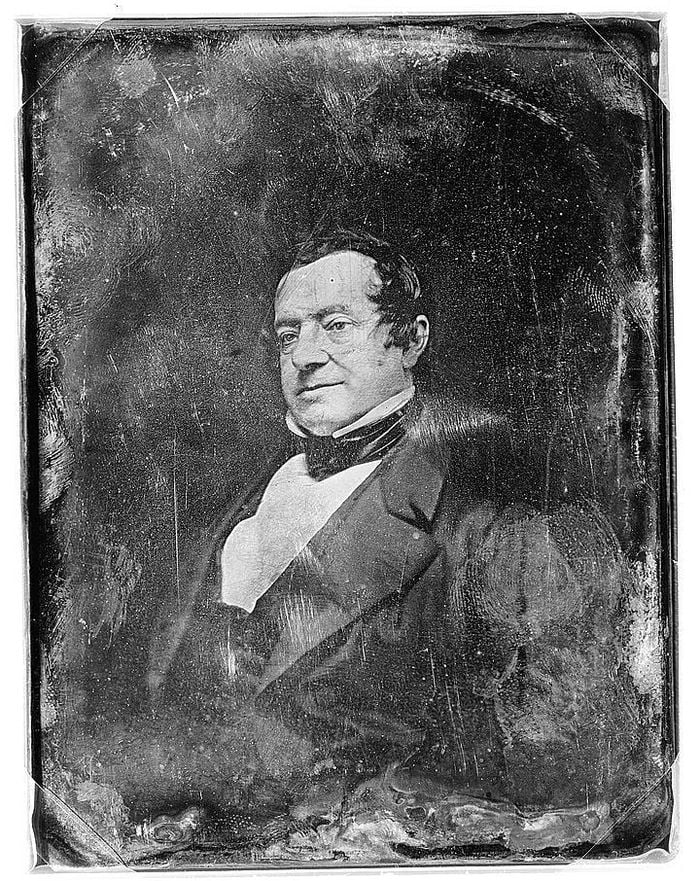
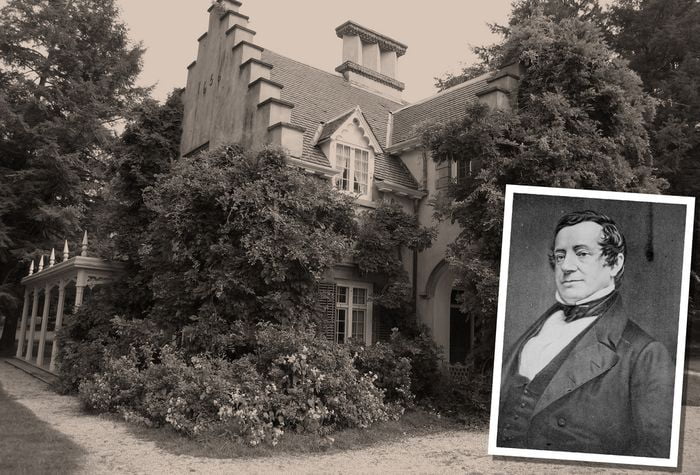
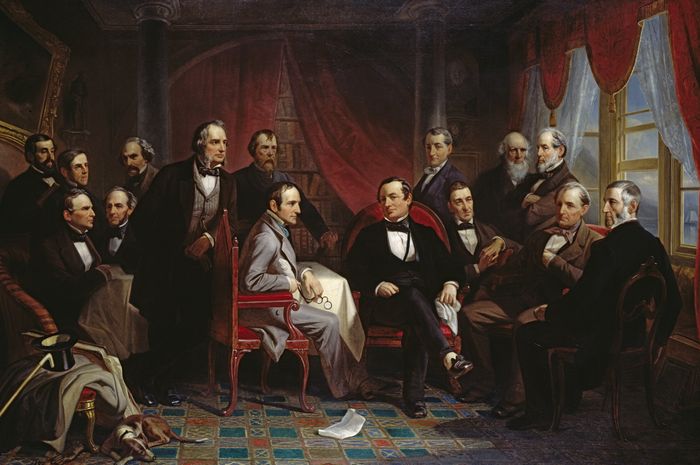
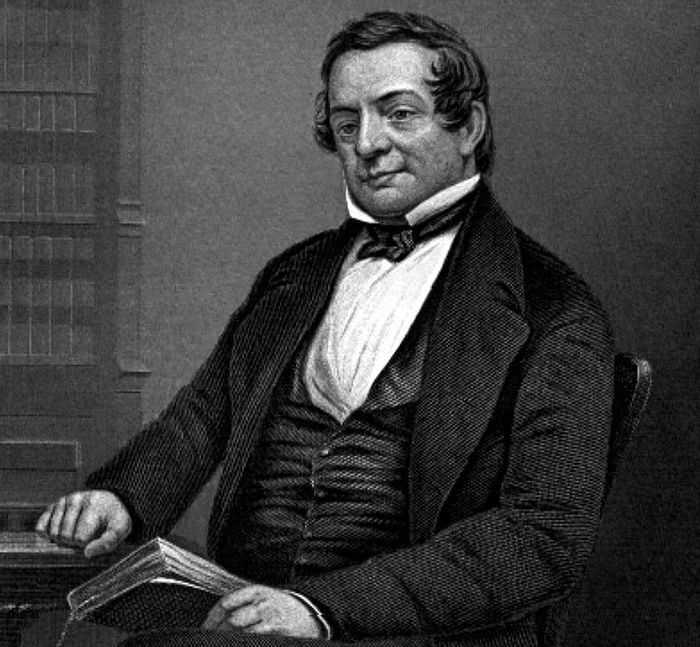
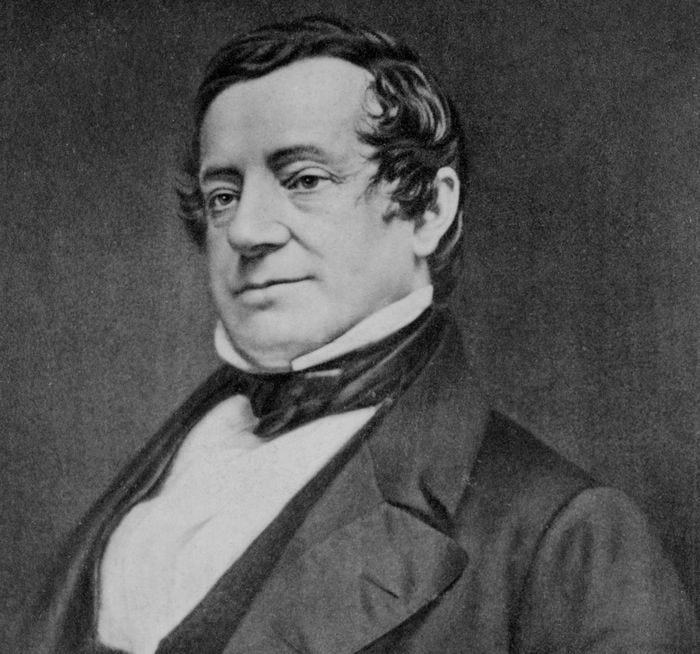
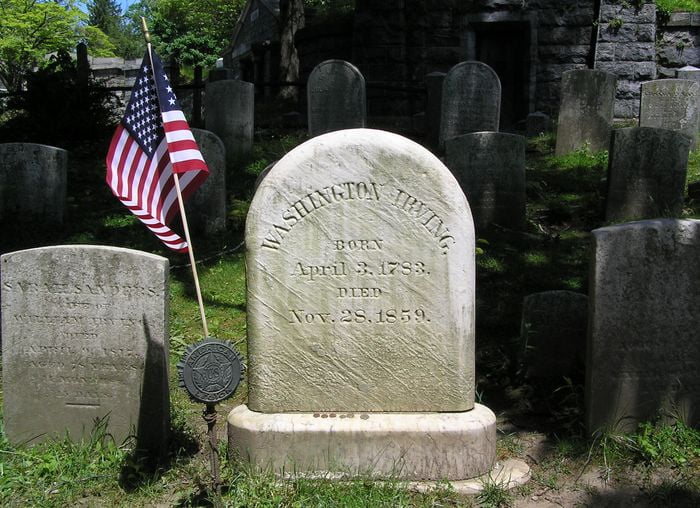
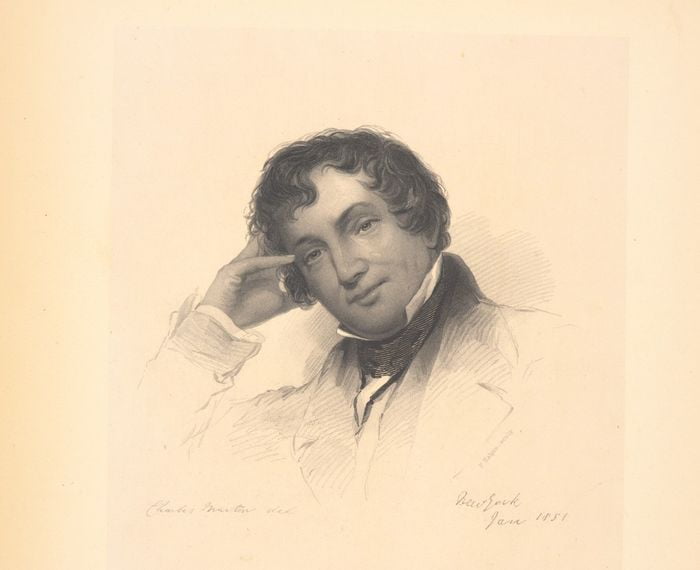
Washington Irving (1783-1859)

Washington Irving was born in New York City in 1783, during the British occupation. He was in the diplomatic service for the greater part of his productive years, and wrote several of his books abroad. In many ways Irving is a product of the Eighteenth Century. Of his numerous historical works, biographies and travel sketches, several are still read with pleasure. His most famous collection of stories is The Sketch Book (1819), which contains Rip Van Winkle and the story that follows in these pages. The Specter Bridegroom is one of the earliest examples of the American short story.

The Specter Bridegroom

From The Sketch Book

“He that supper for is dight, He lyes full cold, I trow, this night!
Yestreen to chamber I him led, This night Gray-steel has made his bed!”
—Sir Eger, Sir Graham and Sir Gray-steel.

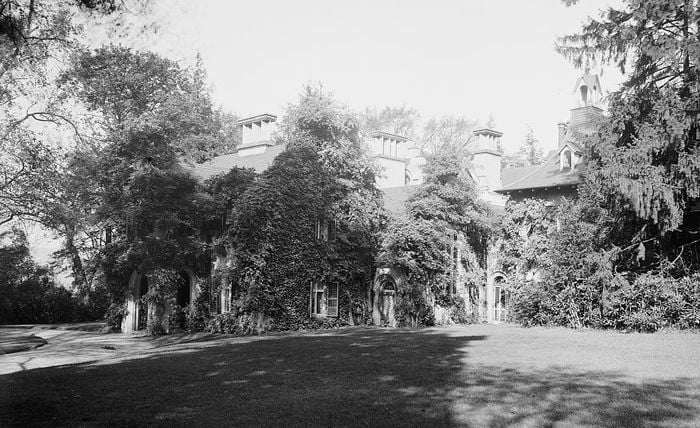
On the summit of one of the heights of the Odenwald, a wild and romantic tract of Upper Germany that lies not far from the confluence of the Main and the Rhine, there stood, many many years since,
I he Castle of the Baron Von Landshort. It is now quite fallen to decay, and almost buried among beech trees and dark firs; above which, however, its old watch-tower may still be seen struggling, like the former possessor I have mentioned, to carry a high head, and look down upon a neighboring country.

The Baron was a dry branch of the great family of Katzenellenbogen, and inherited the relics of the property and all the pride of his ancestors. Though the warlike disposition of his predecessors had much impaired the family possessions, yet the Baron still endeavored to keep up some show of former state.

The times were peaceable, and the German nobles, in general, had abandoned their inconvenient old castles, perched like eagle` nests among the mountains, and had built more convenient residences in the valleys; still the Baron remained proudly drawn up in his little fortress, cherishing with hereditary inveteracy all the old family feuds; so that he was on ill terms with some of his nearest neighbors, on account of disputes that had happened between their great-great-grandfathers.

The Baron had but one child, a daughter; but Nature, when she grants but one child, always compensates by making it a prodigy; and so it was with the daughter of the Baron. All the nurses, gossips, and country cousins, assured her father that she had not her equal for beauty in all Germany; and who should know better than they?

She had, moreover, been brought up with great care, under the superintendence of two maiden aunts, who had spent some years of their early life at one of the little German courts, and were skilled in all the bran-ches of knowledge necessary to the education of a fine lady. Under their instructions, she became a miracle of accomplishments. By the time she was eighteen she could embroider to admiration, and had worked whole histories of the saints in tapestry with such strength of expression in their countenances that they looked like so many souls in purgatory.

Read More about Miss Tempy` Watchers part 7

The Specter Bridegroom part 1

0

It need hardly be said that the literature of the United States is a direct offshoot of that of England. The writings of the early Colonial period differ from the contemporaneous writings of the mother country, when they differ at all, only in subject-matter. It was only natural that the Puritan influence should predominate in New England for a long time after the arrival of the Mayflower in 1620; as a matter of fact, it is still a potent force in American life and art.

American fiction is therefore a late growth. Charles Brockden Brown (1771-1810) is usually regarded as the first novelist, but it was James Fenimore Cooper (1789-1851) and Washington Irving (1783-1859) who, by their genuinely American stories and undoubted talents as writers, first won places for themselves among the readers of the new land.

Nineteenth Century

The earlier years of the Nineteenth Century witnessed the sporadic appearance of such writers as Irving, men who turned their hand to the short-story form and utilized it for the interpretation of what was later termed the American Scene; but not until the advent of Poe can it be properly asserted that the short story came into its own. Poe` stories are probably the most famous as they were certainly the most influential of any written within the past four centuries.

But he had at least one contemporary who was as great an artist as he: Hawthorne, though primarily a novelist, began writing excellent short stories as early as the thirties. Poe` followers—those both directly influenced by him as well as those who were not—were numerous. Among the more important may be mentioned Rose Terry Cooke (1827-1892) and Fitz-James OBrien (1828-1862). Somewhat later several writers of distinction played important roles in the development of the short story: Sarah Orne Jewett, Bret Harte, Henry James, Frank Stockton, H. C. Bunner, William Dean Howells, are only a few of a far larger group that contributed a mass of short-story literature to American letters.

Steadily, from the seventies to the present day, American writers have studied the form, consciously treating it as an artistic medium of expression, with the result that during the past twenty-five to thirty years the American story has been brought to a point of technical perfection which is unsurpassed. The most celebrated of all modern American story-writers was Sydney W. Porter, known as O. Henry, who did more to popularize his craft than any other of his generation.

The whole aspect and the spirit of American literature has changed since the death of O. Henry in 1910. The occasionally inspired “unknowns” of the eighties and nineties, like Bierce and Crane, were discovered and put into vogue during the last few years. But even before that Dreiser had blazed the trail, and when the War came, there was a new “school” ready to turn the short story to their own ends.

With the advent of Anderson and Dreiser (who turned to the short story long after he had begun his career as a novelist), of Willa Cather and a hundred others, the writers of the late Nineteenth Century seemed outmoded. The new writers had, among other things, shown a remarkable talent for exposing the absurdity and complacency of the nationalistic idealism of the Brahmin writers; they were naturalistic on the whole, and they represented a national tendency of thought.

This naturalistic impulse necessarily aroused antagonism among the satirists and the idealists, observable in the stories of James Branch Cabell; but in spite of them the trend of the time is toward the depiction and interpretation of all aspects of contemporary life and thought.

Read More about Tours Bulgaria around Monasteries

Silence part 11

0

Trembling from head to foot, casting around him sharp and sudden glances, Father Ignatius slowly raised himself and with a prolonged and tortuous effort attempted to straighten his spine and to give proud dignity to his trembling body. He succeeded in this. With measured protractive ness, Father Ignatius shook the dirt from his knees, put on his hat, made the sign of the cross three times over the grave, and walked away with an even and firm gait, not recognizing, however, the familiar burial ground and losing his way.

“Well, here Ive gone astray!” smiled Father Ignatius, halting at the branching of the footpaths.

Stride

He stood there for a moment, and, unreflecting, turned to the left, because it was impossible to stand and to wait. The silence drove him on. It arose from the green graves; it was the breath issuing from the gray, melancholy crosses; in thin, stifling currents it came from all pores of the earth, satiated with the dead. Father Ignatius increased his stride. Dizzy, he circled the same paths, jumped over graves, stumbled across railings, clutching with his hands the prickly, metallic garlands, and turning the soft material of his dress into tatters. His sole thought was to escape. He fled from one place to another, and finally broke into a dead run, seeming very tall and unusual in the flowing cassock, and his hair streaming in the wind.

A corpse arisen from the grave could not have frightened a passer-by more than this wild figure of a man, running and leaping, and waving his arms, his face distorted and insane, and the open mouth breathing with a dull, hoarse sound. With one long leap, Father Ignatius landed on a little street, at one end of which appeared the small church, attached to the graveyard. At the entrance, on a low bench, dozed an old man, seemingly a distant pilgrim, and near him, assailing each other, were two quarreling old beggar women, filling the air with their oaths.

When Father Ignatius reached his home, it was already dusk, and there was light in Olga Stepanovna` chamber. Not undressing and without removing his hat, dusty and tattered, Father Ignatius approached his wife and fell on his knees.

“Mother… Olga… have pity on me!” he wept. “I shall go mad.”
He dashed his head against the edge of the table and he wept with anguish, as one who was weeping for the first time. Then he raised his head, confident that a miracle would come to pass, that his wife would speak and would pity him.

“My love!”

With his entire big body he drew himself toward his wife and met the gaze of those gray eyes. There was neither compassion in them, nor anger. It was possible his wife had forgiven him, but in her eyes there was neither pity, nor anger. They were dumb and silent.

And silent was the entire dark, deserted house.

Read More about Isaac Comnenus 10